Dental Crowns
Protecting a tooth that can no longer carry the bite on its own, in Quincy, MA.
What it is
A crown is a cover that fits over the whole tooth. It replaces the outer shape and carries the bite, which protects the tooth structure underneath.
All-ceramic crowns have no metal core, so there is no metal to show through as a dark line at the gum over the years.
When a tooth needs one
- A cracked toothA crown holds the pieces together under bite force.
- A large old fillingWhen more filling than tooth is left, the walls flex and break.
- After root canal treatmentBack teeth in particular can become brittle and split.
- Heavy wear from grindingRebuilding shape and restoring the bite.
The trade-off worth knowing
A crown requires shaping the tooth down so the cover has room to sit. That part is not reversible.
It is the reason a crown is not the recommendation when a filling or bonding will hold. A crown is the answer for a tooth that has run out of structure, not for one that still has plenty.
What the appointments look like
Two visits for most teeth. At the first, the tooth is shaped, scanned digitally, and fitted with a temporary crown. At the second, the final crown is tried in, checked against the bite, and cemented.
Some teeth feel sensitive between the two visits. That usually settles once the final crown is on.
Caring for it
A crown does not decay. The tooth under it can. The margin, meaning the line where crown meets tooth, is where trouble starts, so floss it like a natural tooth and keep up with cleanings.
Cared for well, a crown is one of the more stable things in dentistry. That is the point of it.
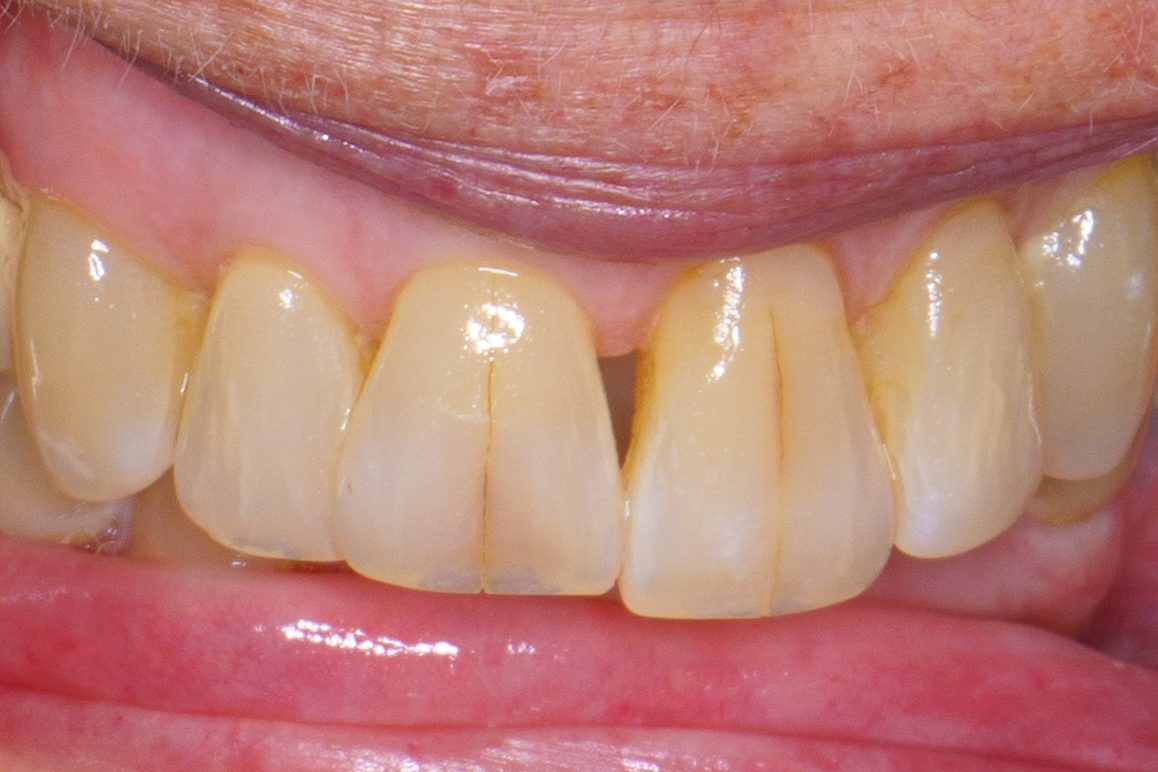
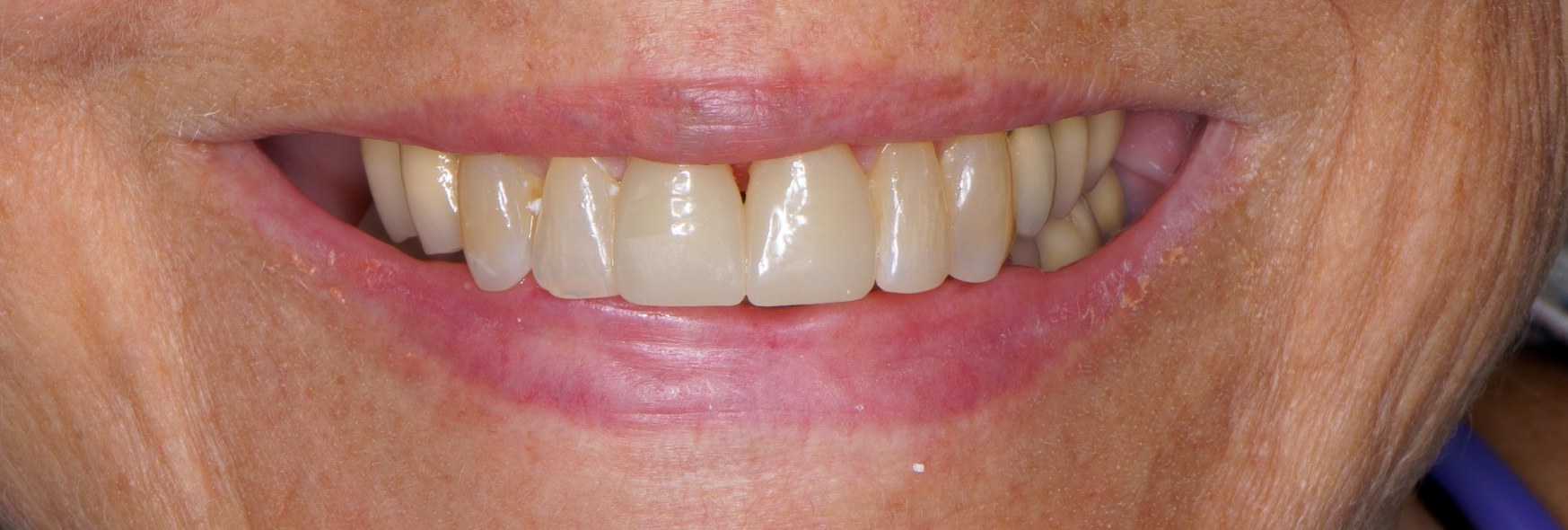
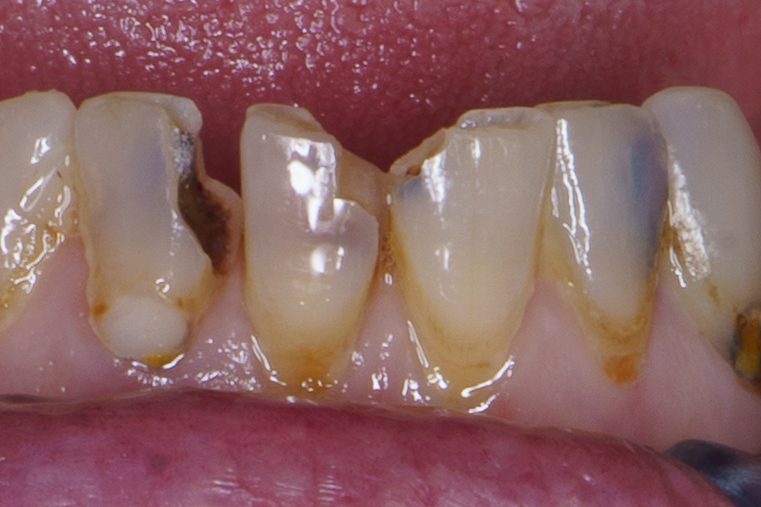
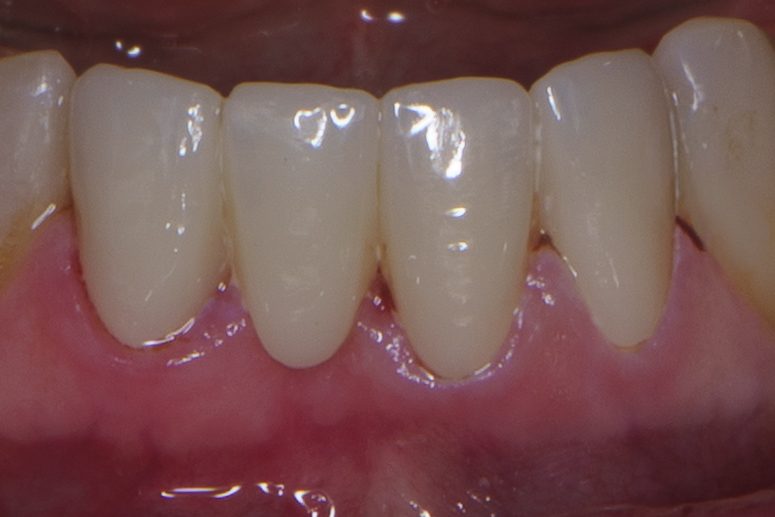
Crown cases
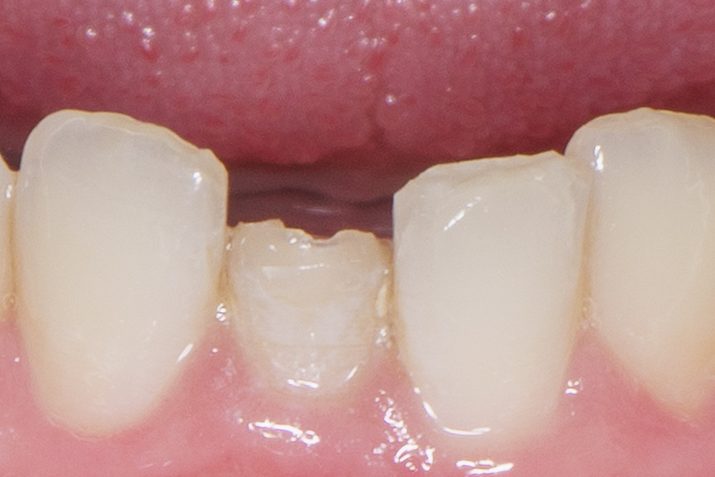
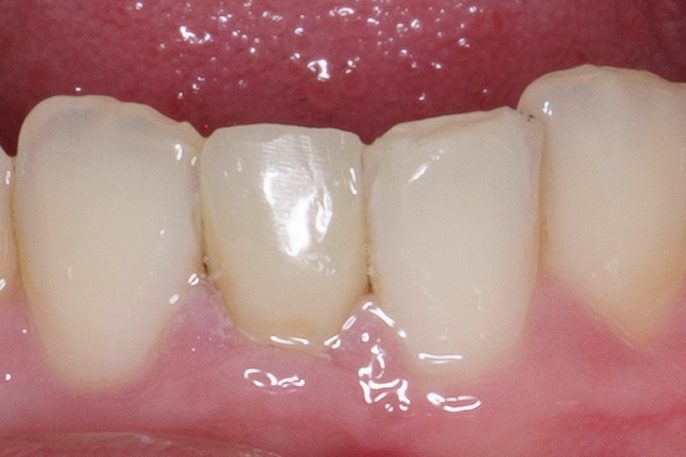
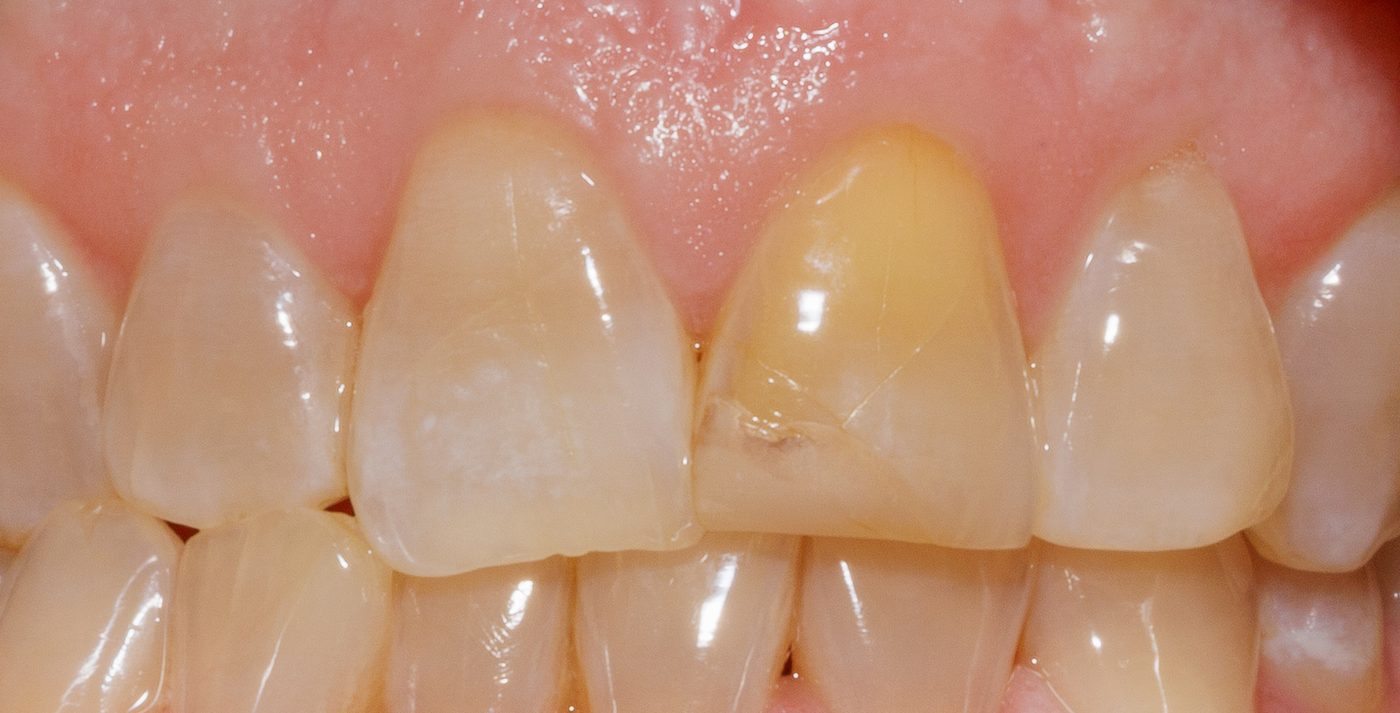
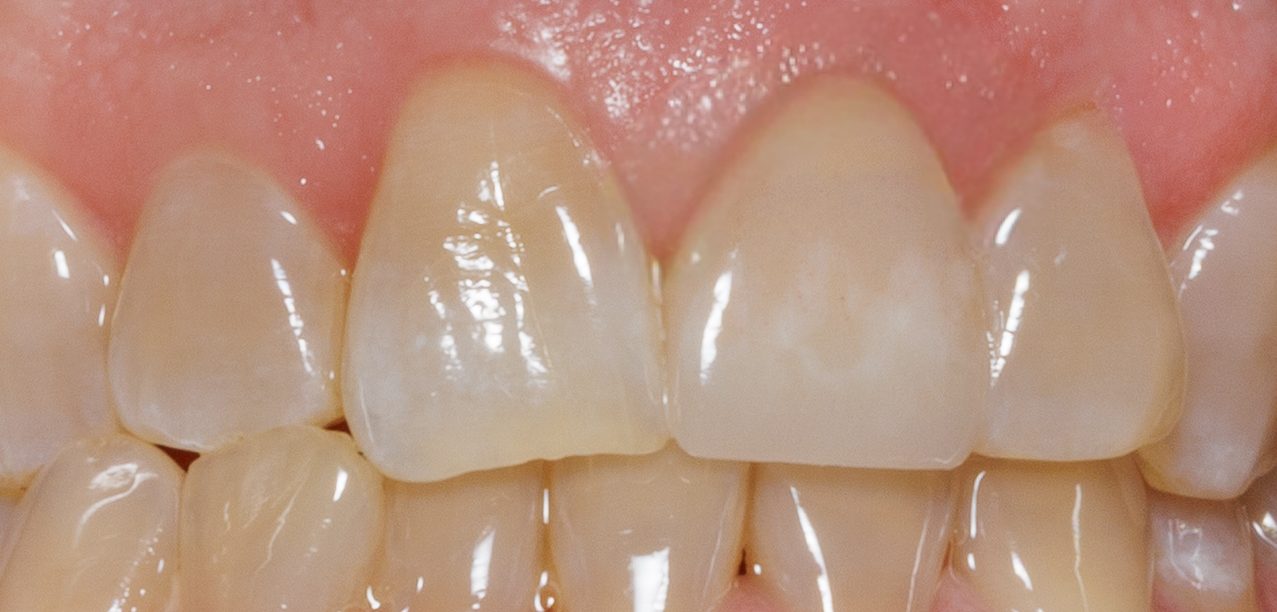
Photos shown with patient permission. Results vary based on oral health, anatomy, and treatment goals.
Dr. McCarthy practices at two offices in Quincy, MA. Office details are on the Locations page.